
Walking the Alps: Life in Car-Free Villages
Step into a world where the journey sets the rhythm: car-free Alpine villages, experienced slowly on foot and rail. From cog railways and funiculars to quiet lanes where children play, discover practical routes, heartfelt stories, and small rituals that make movement feel human again. Today we explore how trains, gondolas, and sturdy boots open mountain life to everyone, and how you can plan unforgettable days while supporting landscapes and communities you will want to revisit. Share your tips and subscribe for fresh route ideas shaped by real experiences.
Origins and Evolution of Car-Free Alpine Living
Why the Roads Stopped
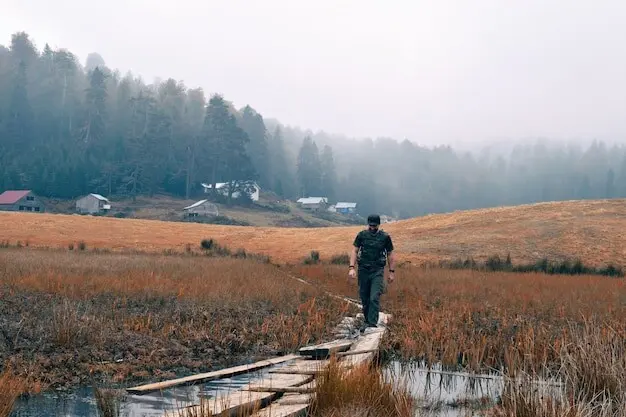
Seasonal road bans that began as safety measures during heavy snows slowly proved wise all year. Lanes were too tight for buses, rockfall zones too unpredictable, and tourism too valuable to gamble on congestion. By formalizing access via trains and gondolas, residents reclaimed streets for walking, markets, and conversations that no longer had to compete with fumes or horns.
Pioneers and Milestones
Mid-century decisions in Switzerland, Austria, and Italy signaled a shift: invest in rack railways, limit private cars beyond valley stations, and encourage overnight guests to arrive ticket in hand. Early electric taxis replaced diesel vans; horse sleighs remained for charm and function. Word spread that tranquility itself could be an attraction worth traveling far to experience.
How Goods Still Move
Logistics hubs at valley terminals consolidate supplies onto freight wagons, compact electric trucks, and, in winter, snowcats fitted with boxes and blankets. Hotels coordinate deliveries to narrow alleys at quiet hours. Travelers tag luggage for through-transport, then stroll unburdened past fountains and bakeries, often arriving to find suitcases already waiting in rooms warmed by pine and sunlight.
Decoding Timetables and Passes
Clockface departures reduce stress: the same minute each hour builds confidence when changing trains at snug, tidy stations. Regional and national passes can unlock spontaneous detours, while half-fare options reward longer stays. Bookmark official planners, download offline schedules, and remember that mountain weather may nudge you toward earlier starts and flexible lunch plans.
The Last Ascent
From valley floors to car-free balconies, final stretches are delightfully varied: gondolas sweeping over larches, funiculars burrowing into slopes, or rack railways climbing with metallic heartbeats. Combine tickets to save, scan live wind alerts, and buffer time, because bluebird skies invite lingering at viewpoints you never planned to love.
Wayfinding Without Stress
Yellow waymarks, painted stripes, and meticulously placed arrows guide you across borders and dialects. Trail boards list times to huts and villages, so you judge ambition by energy, not speed. Download offline maps, carry paper backups, and greet farmers and hikers; a shared nod often yields better advice than any app.
When You Need a Ride
Even without private cars, help glides quietly. Electric taxis shuttle luggage or tired legs; hotel shuttles meet late trains; in winter, sleighs and small snow buses connect distant hamlets. Ask your host about call numbers and schedules, then treat these rides as gentle bridges between memorable stretches walked.
Environmental and Community Benefits You Can Feel
Silence is not emptiness; it is habitat. Fewer engines mean cleaner air, audible birdsong, and children safe to chase a stray leaf. Rail trips often cut emissions dramatically compared with private cars, while local spending in compact centers strengthens bakeries, dairies, and repair shops that keep mountain culture alive.
Soundscape and Sleep
Remove most engines and you reveal water, wind, and conversation. Evening streets host murmurs rather than revs; windows can stay open. Travelers report deeper sleep, while residents reclaim porches and stoops. The next morning’s first bell or train becomes comfort, not intrusion, and hikes begin unflustered.
Clean Air, Clear Minds
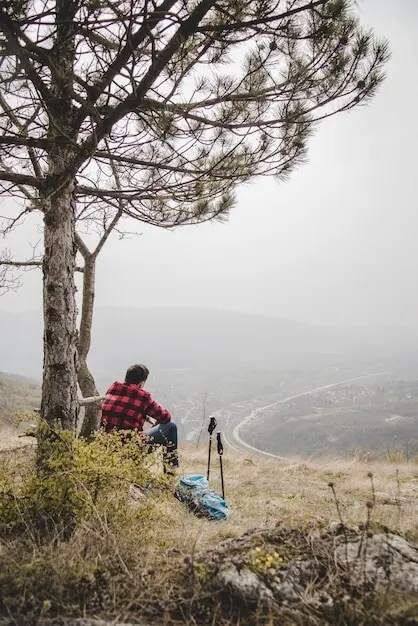
Inversions trap exhaust in valley bottoms; villages without traffic feel the difference immediately. Fewer particulates and less diesel odor make dawn taste crisp. Many visitors notice headaches fading and lungs relaxing, especially after rain. That clarity translates to patience on trails and kinder conversations over soups and strudels.
Sample Slow-Mobility Itineraries to Savor
Park at Täsch and roll into Zermatt by shuttle train, watching peaks grow. Stroll the lane to the station of the Gornergrat Bahn, ride for glacier panoramas, then wander the Five Lakes walk, picnicking where reflections behave. Return early for rösti, church bells, and pink alpenglow painting wooden roofs.
From Lauterbrunnen, board the cog railway to Wengen, breathing easier as cliffs widen into pasture. Take the gondola to Männlichen, follow the gentle ridge toward Kleine Scheidegg, linger for trains curving beneath the Eiger, then descend unhurried. Fondue, a twilight stroll, and stars framed by silent larches close the circle.
Ride the cable car from Siusi/Seis to broad, sunlit pastures where barns sit like patient boats on green seas. Loop to Compatsch and beyond, tasting knödel and mountain cheese at a cozy hut. Afternoons invite barefoot meadows, slow returns, then sunset shadows sliding along the Sciliar’s patient walls.
Packing Smart and Staying Safe at Altitude
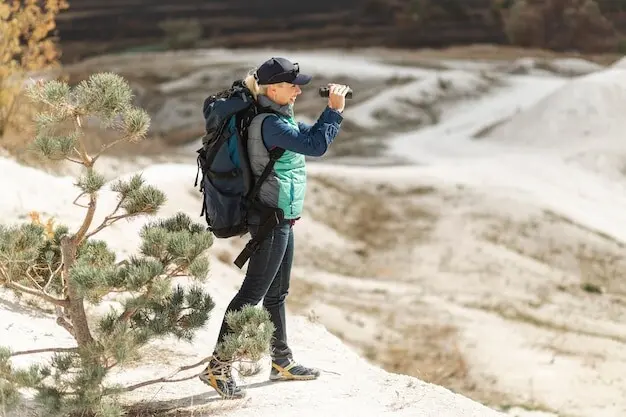
Preparation amplifies freedom. Choose breathable layers, a small first-aid kit, and shoes that welcome wet roots and cobbles. Protect skin and eyes, watch forecasts, and carry snacks for detours worth taking. Keep travel documents handy, respect livestock gates, and learn basic signs so courtesy travels farther than language.
All Rights Reserved.