Grain Above the Clouds

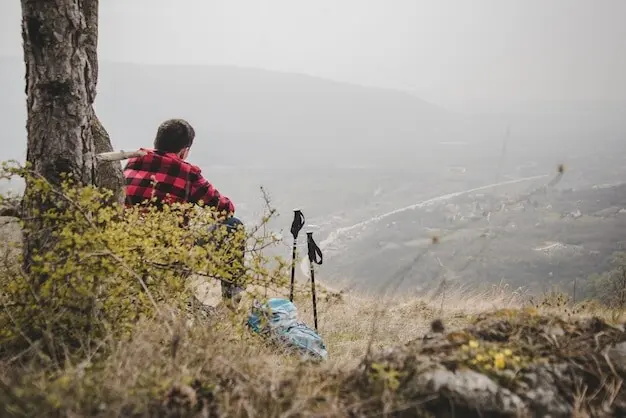
Join an immersive journey into analog photography in the Alps, where film cameras meet crystalline mountain light and mindful, low-tech travel. Discover practical ways to protect gear in the cold, read snow-bright scenes, and move lightly between huts and valleys while shaping meaningful stories frame by frame.

Gear That Survives the Summit

Cold air, relentless glare, and sudden snowfall punish equipment, so choices matter. Favor fully mechanical shutters, grippy controls, and hardy film stocks that tolerate overexposure and contrast. Plan redundancies without bulk, protect optics from windblown crystals, and keep batteries warm for meters while your main operation stays blissfully simple and dependable.

01

Choosing Film for Snow and Stone

Bright snow tricks emulsions, but careful selection helps. Fine-grain color negatives like Ektar 100 or Portra 160 handle highlights gracefully, while slide options like Provia reward precise exposure with luminous skies. Consider a subtle warming filter, gentle overexposure, and neutral density for waterfalls to balance chiseled granite with silky motion.

02

Reliable Bodies and Lenses in the Cold

Mechanical classics such as the Nikon FM2, Pentax MX, or Olympus OM‑1 keep working as temperatures drop, with only the meter relying on batteries you can shelter in a pocket. Prime lenses focus reliably when grease stiffens, and deep hoods shield delicate coatings from swirling ice and sidelong alpine gusts.

03

Packing Light Without Sacrificing Story

Carry one body, two thoughtful primes, and a compact tripod or trekking pole adapter, plus spare rolls divided across companions. Wrap gear in padded cloths, stash silica gel with film, and keep a small blower handy. Your shoulders stay fresh, and curiosity remains sharper than any autofocus algorithm.
Reading High-Altitude Light

Low-Tech Travel, High-Value Moments

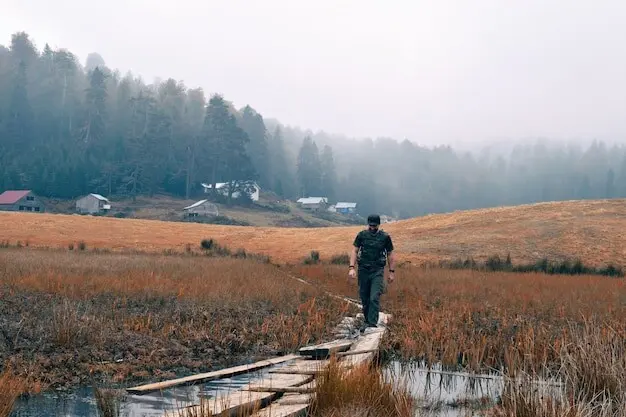
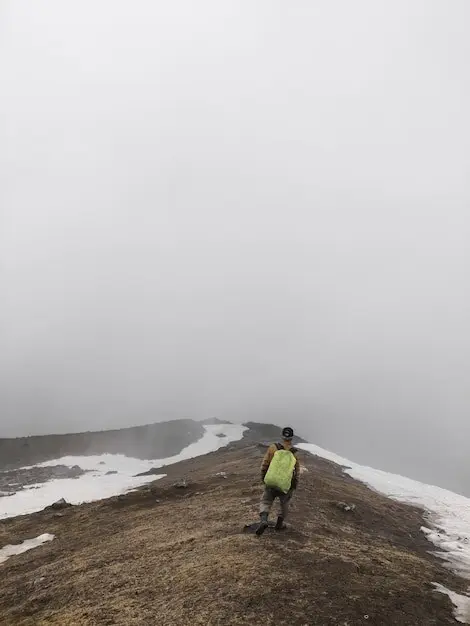
Unplug a little to move with the mountains’ rhythm. Paper timetables, handwritten route notes, and hut wardens’ wisdom replace constant notifications, opening space for observation. By traveling light and deliberately, you’ll notice textures, gestures, and stories that hide between switchbacks, creating photographs steeped in patience, empathy, and enduring place.

Compositions That Breathe Thin Air

{{SECTION_SUBTITLE}}
Foreground Anchors and Serpentine Lines
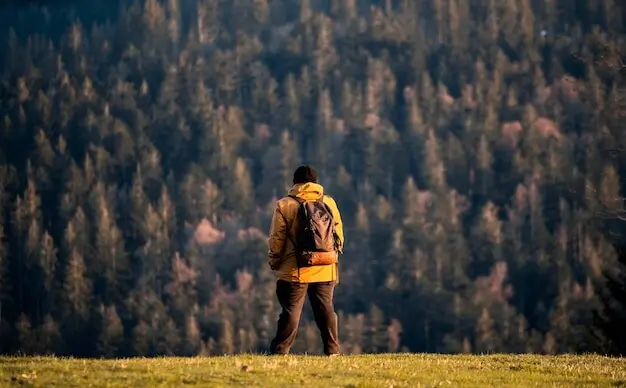
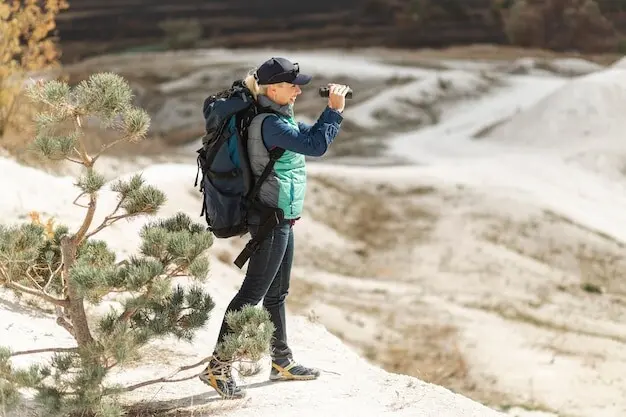
Seek rocks, skis, or a coiled rope as near elements, then let switchbacks or streams guide the eye toward bright saddles. Keep horizons level, allow breathing room near edges, and time footsteps so a companion becomes a punctuation mark, whispering scale without overwhelming the ridgeline’s elegant geometry.

Prime Perspectives and Panoramic Dreams

A 28mm reveals sweeping bowls without swallowing foregrounds, while a 50mm isolates textures and cloud shadows. Consider panoramic tools like the Hasselblad XPan or Widelux for ridges that refuse to fit. Practice smooth swings, mind shutter banding, and let asymmetry echo the way breath staggers in thin air.

On-the-Road Processing and Safe Storage

Keep finished canisters in zip pouches with desiccant, separate from fresh stock, and never near stove heat in huts. Mark EI, date, and brief notes. If temperatures swing wildly, buffer with clothing layers inside your bag, minimizing condensation so silver crystals hold their delicate, hard-won mountain impressions.
Innsbruck, Chamonix, and Zürich often host reliable photo labs; call ahead about turnaround, chemistry, and push or pull options. Ask whether they scan with Noritsu or Frontier, request flat profiles, and keep leader tags. Share a reference frame online, and invite readers’ recommendations in the comments for future trips.
Back home, stabilize temperatures for C‑41 with a water bath and patient agitation, or savor forgiving black‑and‑white soups. Dry in a dust‑controlled closet, then scan using a DSLR and light pad. Inversion tools refine color, while gentle sharpening preserves grain’s honesty and mountain air’s remembered crispness.

Safety, Respect, and Shared Trails

Chasing frames never outranks returning safely. Study forecasts, heed seasonal closures, and give fragile terrain time to heal. Tread lightly through alpine meadows, keep groups small, and match ambition to conditions. Photographs deepen when courtesy leads, and communities welcome travelers who listen, learn, and leave places better than found.

01

Awareness Before Aesthetics

Cold stiffens fingers and narrows judgment, so build pauses to warm up, hydrate, and reassess. Keep an eye on cornices, fast-moving clouds, and glossy ice where a triumphant step back could be costly. Prioritize partners, communication, and safe footing over any composition, then celebrate together afterward.

02

Wildlife and Silence Protocols

Give animals generous distance and use longer lenses rather than intruding. Dampen clatter by securing metal gear, close zippers slowly, and let shutters speak softly under wool gloves. Avoid drones where prohibited, and favor mornings when trails are quiet, allowing respectful encounters that honor habitat and unforced behavior.

03

People, Places, and Permission

Ask before making portraits, offer to share a scan or small print, and honor a gentle no. Skip explicit geotagging of fragile spots, and credit guides and hut keepers. Join the conversation below with your respectful practices so our collective stewardship strengthens alongside our photographs’ lasting resonance.

Piranilozunotelikiramirarino
Privacy Overview

This website uses cookies so that we can provide you with the best user experience possible. Cookie information is stored in your browser and performs functions such as recognising you when you return to our website and helping our team to understand which sections of the website you find most interesting and useful.